
Flexible magnetic sheeting in widths up to 48″ and rolls up to 200 feet. Printable surfaces (vinyl, polypropylene, paper) are available for in-house production of promotional graphics, sale signs, and seasonal messaging. Sold in stock sizes or custom-converted to your specifications.
Mountable sign holders that attach to steel shelving with strong magnetic bases. Drop in printed inserts to display pricing, promotions, or wayfinding messages. Removable and repositionable as merchandising plans change.
Flexible magnetic strips and tapes for shelf-edge labeling, channel inserts, and quick signage attachment. Available with adhesive backing for non-magnetic surfaces or plain for direct application to ferrous fixtures.
Steel channels, cups, and mounting bases that hold signs, displays, or POS components in place using high-strength magnetic attachment. Available in standard configurations or custom-engineered for specific display fixtures.
Weather-resistant magnetic signage for storefront windows, exterior displays, and short-term outdoor promotions. UV-resistant vinyl facestock for color retention through extended outdoor exposure.
Simply complete and submit the online form below and we’ll review your specs and contact you with any questions.
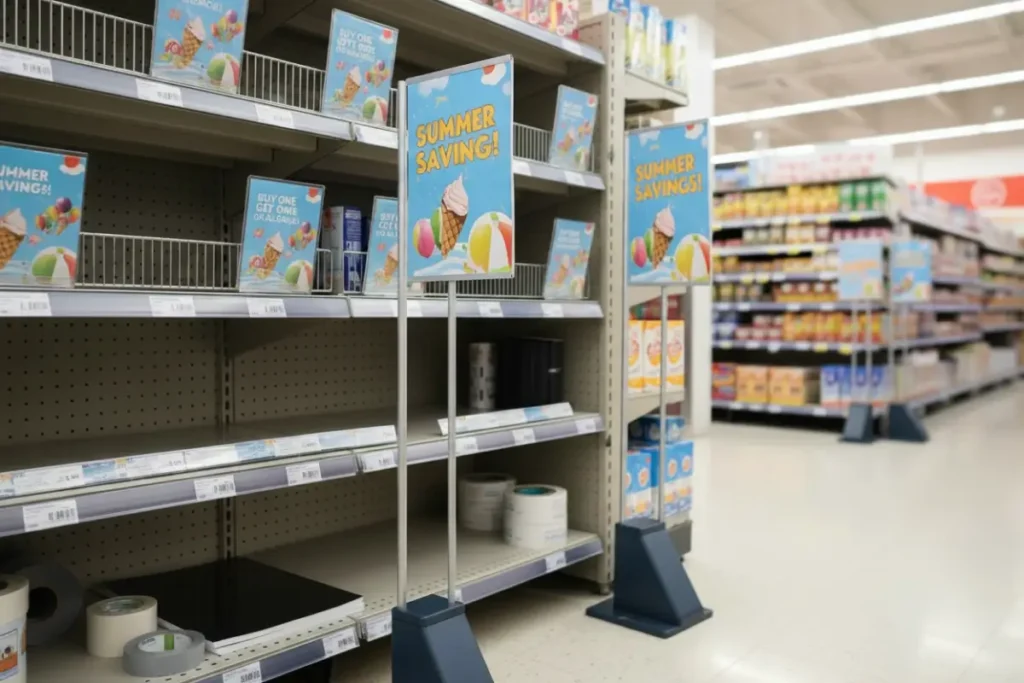
Magnetic display systems are signage and merchandising components that use magnetic attachment to mount, hold, or position graphics and structures on steel retail fixtures. The fundamental principle is simple: replace screws, adhesives, hooks, and zip ties with magnets, and the entire display becomes reconfigurable in seconds.
A typical retail magnet display includes printed magnetic sheets for promotional graphics, magnetic sign holders that grip steel shelving, magnetic strips or tapes for label channels, and magnetic bases that anchor freestanding components. These elements combine into a flexible Point of Sale display system that can be redeployed across stores, updated for new campaigns, and removed without damaging fixtures.
For retailers operating in fast-moving promotional cycles, magnetic display systems reduce the labor cost of changeovers and minimize wear on fixtures. For merchandising teams managing multi-store rollouts, they support consistent execution at the store level without specialized installation skills.
Retailers use magnetic display systems across nearly every category of merchandising. Here are the scenarios where they fit best.
When a sale starts on Monday and ends on Friday, you need signage that goes up fast and comes down faster. Magnetic shelf talkers, end-cap headers, and aisle signs attach in seconds, sit flush against the fixture, and pull off without leaving residue or fastener holes.
Holiday merchandising rotates four to six times a year in most stores. Magnetic display systems make seasonal transitions efficient: replace the graphics, leave the fixture infrastructure in place, and the store is ready for the next campaign before the doors open.
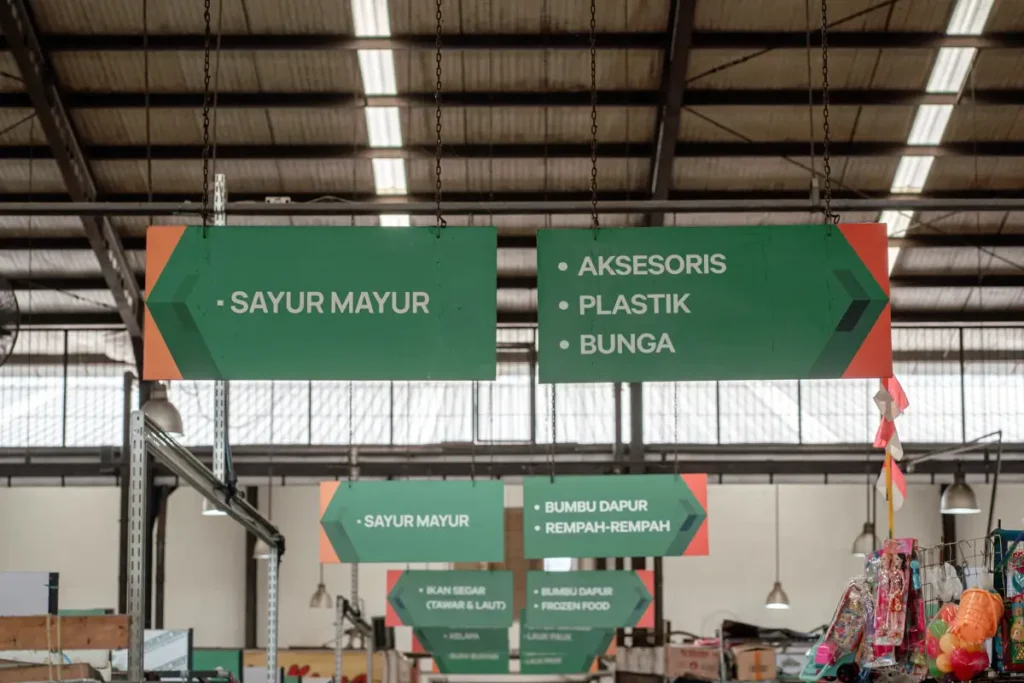
Department headers, aisle markers, and category callouts mounted on magnetic sign holders can be reconfigured as floor plans evolve. When a category expands or moves to a new location, the signage moves with it without drilling new holes or replacing fixtures.
A Point of Sale display benefits from magnetic mounting because the checkout zone sees frequent merchandising updates: new product launches, impulse-buy rotations, and promotional tie-ins. Magnetic components hold POS graphics, dividers, and product holders securely while allowing quick swaps.
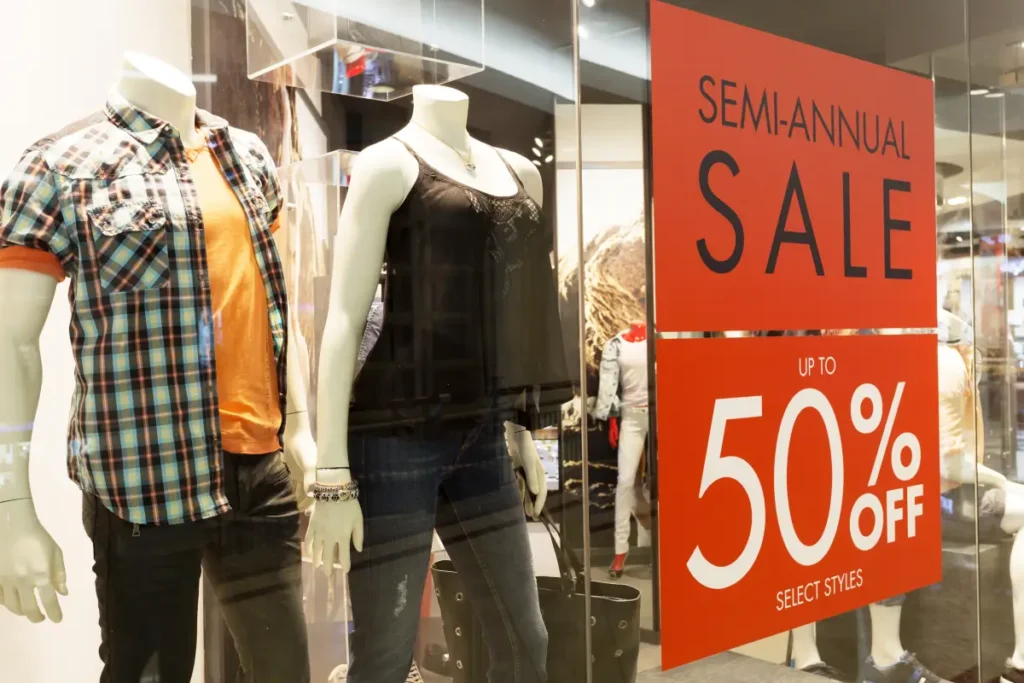
Magnetic sheets adhere to steel-framed window displays and metal storefronts for high-visibility messaging that updates with the season or the campaign. Outdoor-rated magnetic materials maintain color and adhesion through weather exposure.
Pop-up displays, brand activations, and in-store events use magnetic display systems for fast deployment and takedown. A traveling brand activation can be set up in one store, broken down, and reassembled in the next without specialized tools.
Match the product to the job at hand:
Not sure which combination of components fits your store layout? Contact our team with photos or drawings of your fixtures, and we’ll recommend a solution.
The reasons retailers move to magnetic display systems come down to operational efficiency.
Updating a promotion across an entire store takes hours with magnetic signage compared to a full day with adhesive signs, zip-tied graphics, or screwed-in headers.
Magnetic mounting doesn’t damage fixtures. The same shelving, end caps, and gondolas serve campaign after campaign without the wear that comes from repeated drilling, adhesive removal, or fastener changes.
For chains and franchises, magnetic display kits ensure each store can execute a promotion the same way without on-site customization. Send the same components to every location, and every location displays the same way.
Magnetic display components have a long service life. The initial investment is offset over multiple campaigns, where adhesive signage and disposable mounting hardware are spent on every cycle.
Magnetic mounting sits flush against fixtures. No tape edges, no zip ties, no screws visible to customers.
For chain retailers, franchise operations, and merchandising agencies, multi-store campaigns require coordinated production, kitting, and delivery on a tight schedule.
Rochester Magnet supports these programs end-to-end:
Send us your store count, fixture specs, and campaign timeline, and we’ll quote a complete program.
Yes. Rochester Magnet die-cuts magnetic components into custom shapes, including logo silhouettes, branded outlines, and fixture-specific profiles. Custom branding on magnetic bases, sign holders, and graphics is available for retailers and fixture companies that want consistent brand expression throughout their display infrastructure.
Standard flexible magnetic display materials produce a relatively weak magnetic field that does not interfere with most retail electronics. However, strong rare earth magnets used in some display bases can affect electronic shelf labels and anti-theft tags at close range. If your store uses electronic price tags or EAS systems, let our team know during specification so we can recommend products that won’t cause interference.
Magnetic display systems require a ferrous (steel) mounting surface. Most retail shelving, gondola fixtures, end caps, and metal display panels are steel-based and work well. Some specialty fixtures use aluminum, wood, or plastic, to which magnets won’t attach. If you’re unsure, hold a small magnet against the fixture to test before specifying a magnetic solution. For non-ferrous surfaces, we offer magnetic receptive materials that can be applied to create a magnet-friendly mounting surface.
Selecting the right magnet grade is a critical decision for engineers, manufacturers, and product designers. Among the most commonly compared options are N45 and N52.
Read the Full ArticleFlexible magnetic sheeting offers a versatile solution for signage, displays, and industrial labeling. Discover how industries are utilizing this material for maximum efficiency.
Read the Full ArticleKnown for high-temperature stability and superior corrosion resistance, Samarium Cobalt magnets remain a top choice for demanding aerospace and industrial applications.
Read the Full Article