Cabinet Magnets: Magnetic Closures and Latches for Cabinetry and Furniture

Shop Cabinet Magnets by Type

Rochester Magnet supplies cabinet magnets and magnetic closures for cabinetmakers, furniture manufacturers, fixture builders, and industrial users. From light-duty kitchen cabinet catches to heavy-duty closures for large commercial doors, we have the products and custom capability to fit any cabinetry application.

Magnetic Cabinet Catches

A magnet housed in a mounting body paired with a steel strike plate. The catch mounts to the cabinet frame, the strike plate mounts to the door, and the magnet holds the door closed when it shuts. Available in single and double configurations across a range of pull forces.

Heavy-Duty Magnetic Latches

Higher-strength magnetic cabinet latches for large, heavy, or frequently used doors. Built to hold firmly through repeated daily cycles in commercial and industrial settings.

Adhesive-Mount Cabinet Magnets

Cabinet door magnets with pressure-sensitive adhesive backing for fast, tool-free installation where drilling isn’t practical. Suited to retrofits, light-duty doors, and non-wood surfaces.

Custom Magnetic Assemblies

Cabinet magnetic catches engineered to your specifications: custom pull force, housing dimensions, mounting style, and finish. Produced from your drawings for furniture and cabinetry production runs.

Get A Quote Now

Simply complete and submit the online form below and we’ll review your specs and contact you with any questions.


    Magnetic cabinet catch and strike plate installed on a cabinet door

    What Are Cabinet Magnets?

    Cabinet magnets are magnetic closure components that hold cabinet doors, drawers, panels, and enclosures shut without mechanical latches, springs, or visible hardware. A typical cabinet magnetic catch pairs a magnet mounted in the cabinet frame with a steel strike plate mounted on the door. When the door closes, the magnet grips the strike plate and holds the door in position until someone pulls it open.

    This arrangement keeps doors closed quietly and reliably, with no spring mechanism to wear out and no protruding latch to catch on. Because the holding force comes from magnetic attraction rather than a moving part, magnetic cabinet closures last through years of repeated opening and closing without losing function.

    Cabinet magnets appear in kitchen and bathroom cabinetry, office furniture, retail fixtures, medical and laboratory casework, and industrial enclosures. The same basic principle scales from a light-duty cupboard door magnet to a heavy-duty closure holding a large commercial door, with pull force selected to match the weight and use of the door.

    How Magnetic Cabinet Closures and Latches Work

    A magnetic cabinet catch has two parts: the magnet assembly and the strike plate. Understanding how they interact helps in selecting and installing the right product.

    The magnet assembly consists of a magnet (ceramic or neodymium) set into a housing, often a steel cup or channel that concentrates the magnetic field toward the open face. The housing increases the effective holding force and provides mounting points. It attaches to the fixed cabinet frame or shelf.

    The strike plate is a flat piece of ferrous steel that mounts to the moving door. When the door swings shut, the strike plate meets the magnet face and the two hold together. The strike plate often has a small amount of play in its mounting so it can self-align to the magnet for full contact and maximum hold.

    Single catches use one magnet and one strike plate, suited to standard doors. Double catches use two magnets side by side for wider doors or applications needing more holding force and alignment stability.

    Some cabinetry uses magnetic push latches (touch latches), where pressing the door releases a sprung mechanism while a magnet holds the door closed. These support handleless, push-to-open cabinet designs common in modern furniture.

    Common Cabinet Magnet Applications

    Cabinet magnets hold doors and panels closed across a wide range of settings.

    Kitchen and Bathroom Cabinetry

    Kitchen cabinet magnets keep cupboard and vanity doors closed quietly without slamming. They’re standard hardware in residential cabinetry, holding doors shut against the light bump of daily use while releasing with a simple pull.

    Office and Institutional Furniture

    Desks, credenzas, storage units, and built-in casework use magnetic cabinet closures for clean, hardware-free door fronts. The absence of protruding latches suits the streamlined look of contemporary office furniture.

    Retail Fixtures and Displays

    Display cabinets, point of sale fixtures, and store casework use cabinet door magnets to keep access panels and product enclosures closed while allowing quick, tool-free opening for restocking and service.

    Medical and Laboratory Casework

    Healthcare and lab environments use magnetic catches on supply cabinets, equipment enclosures, and casework where quiet operation and easy cleaning matter. Magnetic closures have no crevices or springs that complicate sanitation.

    Hospitality and Commercial Interiors

    Hotels, restaurants, and commercial buildings use commercial cabinet magnets throughout millwork, minibars, storage, and built-in furniture, where doors see heavy use and need closures that hold up over time.

    Industrial Enclosures

    Equipment cabinets, electrical enclosures, tool storage, and machine guarding use industrial cabinet magnets to secure access panels and doors in demanding environments.

    Residential and Commercial Use Cases

    Cabinet magnets serve both light residential applications and demanding commercial ones, with the difference coming down to hold force and durability requirements.

    Residential cabinetry uses light- to medium-duty cabinet magnetic catches. A kitchen or bathroom cabinet door is relatively light and opens a few times a day, so a standard catch with modest pull force holds it reliably. Cupboard door magnets in this setting prioritize quiet operation and clean appearance.

    Commercial and industrial settings demand more. Doors may be larger and heavier, open hundreds of times a day, and operate in environments with vibration, temperature swings, or frequent cleaning. These applications call for heavy-duty magnetic cabinet latches with higher pull force and rugged construction built for high-cycle use.

    Magnetic cabinet closures installed on modern kitchen cabinetry

    When specifying for either setting, the key questions are the same: how heavy is the door, how often does it open, and what does the operating environment demand. Our team can help you match the closure to the application.

    Strength and Mounting Options

    Cabinet magnets come in a range of holding strengths and mounting styles to fit different doors and installation methods.

    Pull Force

    Pull force is matched to door weight and use. Light residential doors hold reliably with lower pull force, while heavy or high-traffic commercial doors need stronger catches. Selecting too little force lets doors drift open; selecting more than needed makes doors harder to open than comfortable. The right balance keeps the door secure while opening with a natural pull.

    Mounting Methods

    Mounting methods include:

    • Screw Mount: The most secure and common method. Housings have screw holes for fastening into the cabinet frame and door, suited to wood and most cabinetry materials.
    • Adhesive Mount: Pressure-sensitive adhesive backing for tool-free installation, retrofits, and non-wood surfaces where drilling isn’t practical.
    • Press-Fit and Bore Mount: Cylindrical catches that press into a drilled cavity for a concealed installation, common in furniture manufacturing.

    Magnet material also affects performance. Ceramic magnets are economical and resist demagnetization well. Neodymium magnets provide higher pull force in a smaller housing, useful where space is limited or hold force needs to be high relative to size.

    Heavy-duty magnetic cabinet latch for commercial furniture

    Durability and Performance Benefits

    Magnetic cabinet closures offer practical advantages over spring latches and friction catches:

    • No Moving Parts to Wear Out: The holding force comes from magnetic attraction, so there’s no spring to fatigue or mechanism to break. The catch performs consistently over years of cycling.
    • Quiet Operation: Doors close softly against the magnet rather than snapping into a mechanical latch, which reduces noise in homes, offices, and quiet commercial spaces.
    • Self-Aligning Hold: The strike plate adjusts to meet the magnet face fully, so the door seats consistently even with minor misalignment from settling or use.
    • Clean Appearance: Magnetic catches mount inside the cabinet, leaving the door front free of visible hardware for a streamlined look.
    • Corrosion Resistance: Ceramic magnets and properly coated neodymium magnets hold up in humid environments like kitchens, bathrooms, and labs without degrading.
    • Easy Maintenance: With no springs or complex mechanisms, magnetic closures need little maintenance and are simple to replace if a door’s requirements change.
    Different mounting options for magnetic cabinet catches, screw mount and adhesive mount examples

    Custom Cabinet Magnets for Furniture and Cabinetry Production

    For cabinetmakers and furniture manufacturers producing at scale, Rochester Magnet supplies custom cabinet magnetic catches engineered to production specifications.

    Custom options include specific pull force ratings, housing dimensions and profiles, mounting configurations, magnet materials, and finishes.

    We work from your design specs to produce closures that fit your cabinetry standards and integrate cleanly into your assembly process. With low minimum orders and the capacity to scale to high-volume production, we support both small custom shops and large furniture brands. By converting and assembling to your exact requirements, we provide cost-effective magnetic closure solutions at any production volume.

    Order Cabinet Magnets Today

    Whether you're outfitting kitchen cupboards, building medical casework, designing retail fixtures, or running a furniture production line, Rochester Magnet has the cabinet magnets and magnetic closures to fit your application. Our team will help you select the right pull force, mounting style, and magnet material for secure, quiet, lasting cabinet systems.

    Frequently Asked Questions About Cabinet Magnets

    Pull force should match the weight of the door and how it’s used. A light residential cabinet door holds well with a low-force catch, while a large or heavy door, or one that opens frequently in a commercial setting, needs a stronger latch. As a starting point, heavier and taller doors, doors with weak hinges, and doors subject to drafts or vibration all call for higher pull force. Share your door dimensions and weight with our team and we’ll recommend an appropriate catch.
    Yes, with the right approach. For glass doors, the strike plate attaches with adhesive or a clamp fitting rather than screws. For metal doors, the door itself may serve as the ferrous strike surface, or a strike plate can be mounted depending on the metal and finish. Let us know your door material and we’ll recommend a compatible mounting method.
    Most magnetic catches allow small adjustments. The strike plate typically has slotted mounting holes or a degree of play that lets it shift to meet the magnet. You can also reposition the catch body slightly within its mounting holes. If the gap is larger, check the hinges and door alignment first, since the catch can only hold a door that closes to within its reach.

    Related Posts

    Choosing Between N45 and N52 Magnets A Buyer’s Guide

    Choosing Between N45 and N52 Neodymium Magnets: A Buyer’s Guide

    Read the Full Article
    Double-Sided Magnets: Top Benefits and Everyday Uses

    Double-Sided Magnets: Top Benefits and Everyday Uses

    Read the Full Article
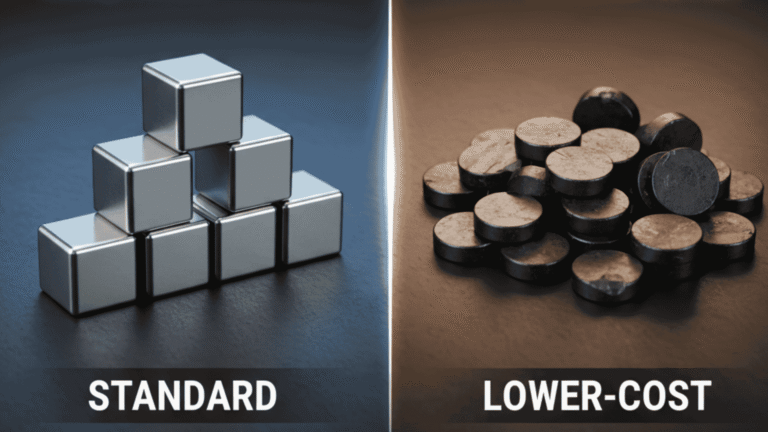
    Comparing Standard vs. Lower-Cost Neodymium Magnet Options

    Comparing Standard Versus Lower-Cost Neodymium Magnet Options

    Read the Full Article